

GLUES
LIQUIDS
BROWS
OTHER PRODUCTS
OUTLET
How to Pick the Best Lash Supplies as a Beginner, Part 1
by Laura Brown June 28, 2021 3 min read

Table of Contents
The Best Lash Supplies for Beginner Lash Technicians: Classic Lashes Edition
When you’re just starting your lash business, every lash supplier’s website is a complete minefield. How do you know what the best tweezers for isolation are, and which tweezers are better for Volume lashes? What’s the difference between Classic lashes and Volume? And what on Earth is pre-treatment? We’ll explain it below, and you can explore our pre-treatment products.
Before you close your browser in overwhelmed frustration, we’re here to help! From choosing the best glue for you to ordering your very first pair of tweezers, we’re about to give you the lowdown on choosing the very best eyelash extension products for a beginner Lash Tech!
It’s very uncommon (in the UK anyway) to be trained in both Classic and Volume at the same time, so this post will focus on supplies for Classic sets. We’ll cover the best supplies for Volume sets in another post!
Lashes
Classic lashes are available in quite a few thicknesses, so your choice will depend on the kind of finish your client would like:
- 0.10 for a subtle difference — an “are those your real lashes?” moment.
- 0.12–0.15 for a mascara effect.
- 0.18 are really the “heaviest” Classic lashes you should put on anyone’s natural lashes to ensure lash health, but these will give a really full look if you cover every lash!
Lengths and Curls
The lengths and curls of the lashes you use will depend on your client’s face shape, the way their natural lashes grow and the kind of look you’re hoping to achieve. Generally speaking, C and CC curls will be flattering on pretty much everyone. All of our lashes come in mixed trays, so you can complete a few sets and get to know which lengths you’ll use most before you splash out on individual lengths!

What Are Flat Lashes?
Flat lashes are a little trickier to place, especially on lashes growing in odd directions, as they can only be placed on the top or bottom of the lash rather than the side. Once you get used to them, you’ll find that a flat lash can be your best friend for clients who have thinner or weaker natural lashes but still want a bit of drama!
Flat lashes weigh just over half as much as your standard Classic lashes, so a 0.25 flat lash will be around the same on the natural lash as a 0.15 Classic lash, 0.20 will be like a 0.12, and 0.15 will be around 0.07. So not only do they look great, but they are super safe!

Tweezers
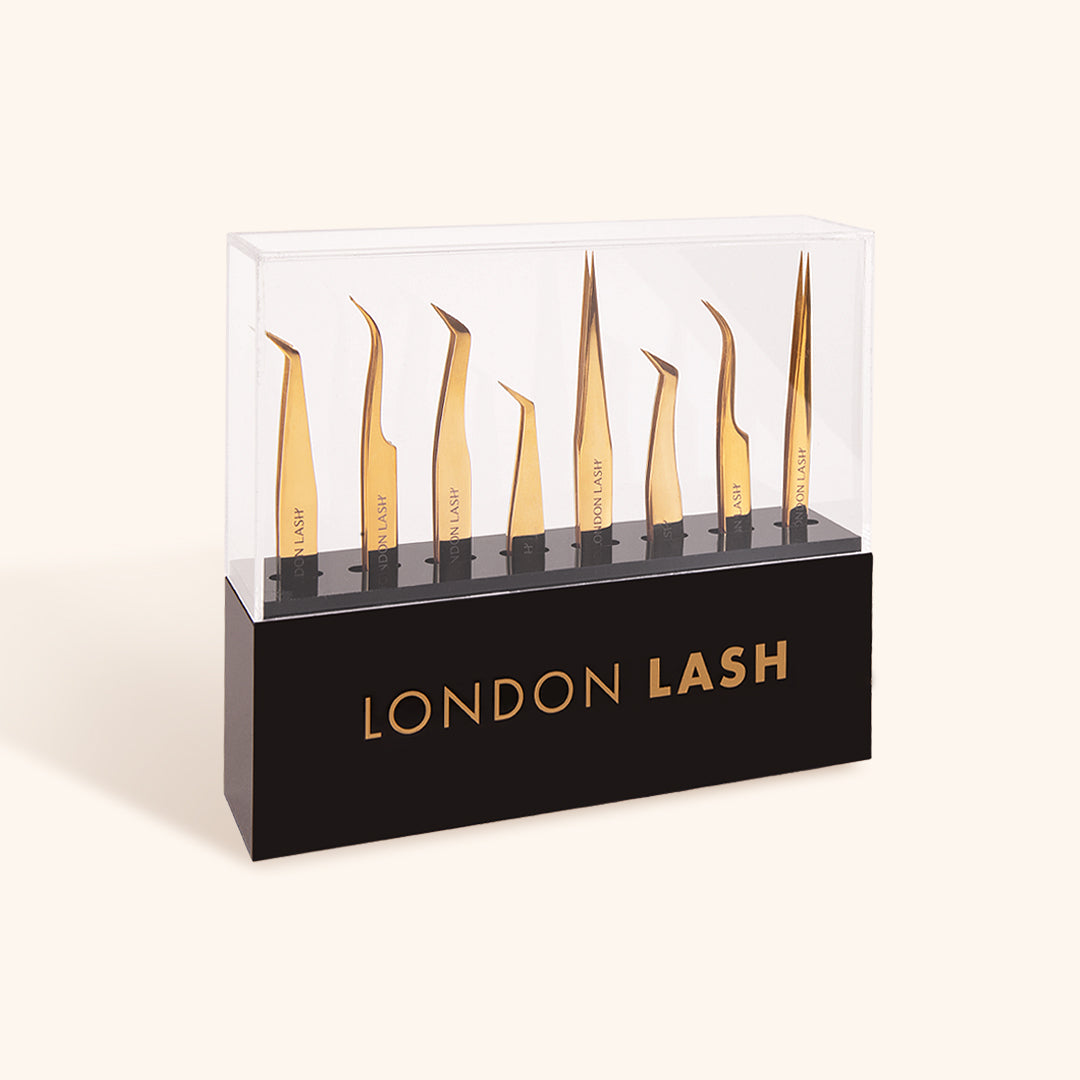
Which tweezers you pick will depend on your preference. Some of us like a pointed tweezer for isolation, some prefer a completely straight tweezer, whilst others prefer a slight angle or even a complete curve.
There’s little else we can really say about this. It depends on how your wrists feel whilst working and the angle you need to hold the tweezers at for proper isolation, so don’t be afraid to try a few pairs before you find your perfect fit!
Lash Extension Glue
The best lash glue for you will depend on a few different factors. As a beginner, you’ll be looking more at glues like Lady Bond, which have a more gradual drying time. Check out our glue comparison chart for a guide to picking your glue.

For the most accurate suggestion, you’ll need to know:
- Your room temperature.
- Your room humidity.
- How long it takes you to place an extension on the natural lash after dipping it into the glue.
It’s worth investing in a hygrometer to keep an eye on your typical room conditions.
Eyelash Extension Pre-treatment
Pre-treatment is absolutely fundamental for a good, safe lash set that will stand the test of time. For the best results, we’d recommend our tried and tested three-step process:
- Protein Remover Pads to cleanse the eye area and gently remove makeup residue from the lashes.
- Cleanser to strip the lashes of oils, makeup residue, dust and other buildup.
- Primer to rehydrate the lashes after using Cleanser, which is alcohol based and can be drying.
Eyepatches vs Foam Tape
This again comes down to preference, but there are pros and cons to both. Eyepatches are more comfortable for your clients, but can be difficult to place perfectly when you’re not completely used to them. For help with placement, watch this video on our YouTube channel.
Foam tape can be cut to the shape you need for each client and works out cheaper in the long run. It’s also great if your client is a little sensitive to any of the ingredients in the gel on the eyepatches. For a full rundown, read our guide to foam tape.
Check out these featured products
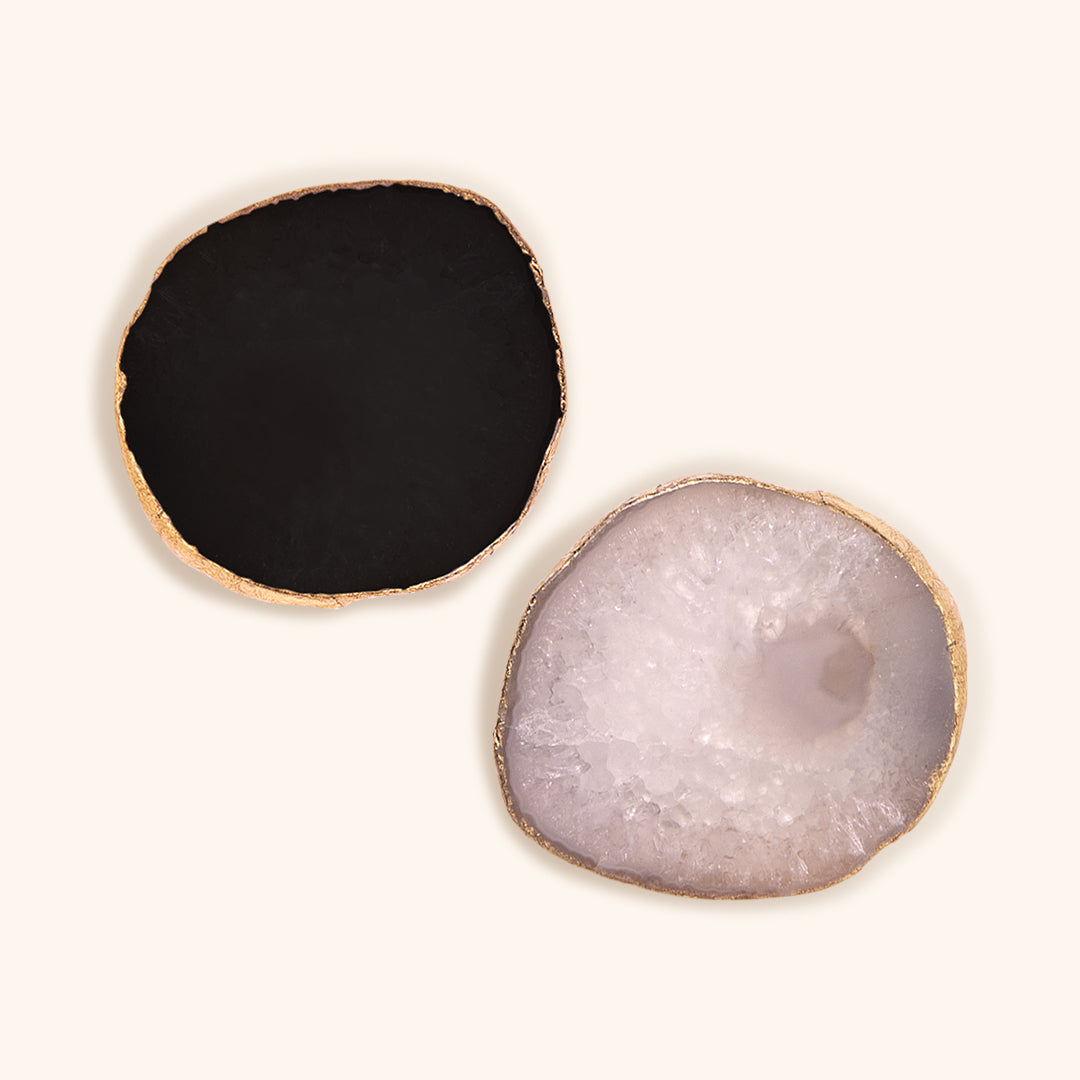

Agate Glue Stones
5 reviews
£9.99

£3.59
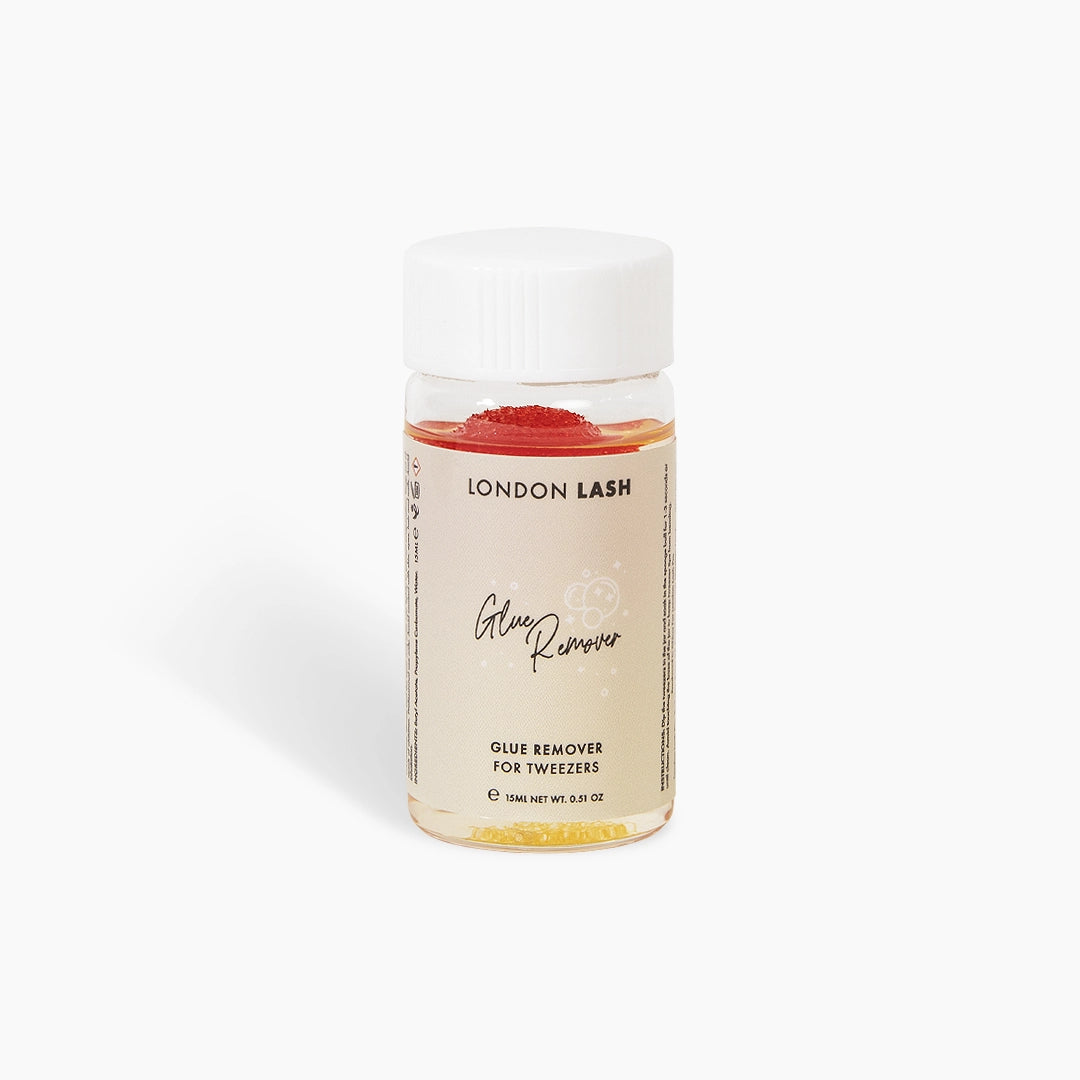

Glue Remover For Tweezers
16 reviews
£12.99

Sale
Tweezer Holder
4 reviews
£17.99
£14.39

Carbon-neutral shipping on all orders
51494kg
shipping emissions removed
That's like...
131823
miles driven by an average gasoline-powered car